Functiebeschrijving
As a Senior AI Engineer at Faktion, you will design, build, and deploy computer vision systems that solve real-world problems for our customers.
The role combines hands-on machine learning with strong software engineering and MLOps practices. You will work across the full lifecycle of a machine learning system: exploring and improving datasets, developing and evaluating models, building training and inference pipelines, deploying models to production, and investigating performance issues once they are running in the field.
A significant part of the role focuses on computer vision for industrial applications, including object detection, image classification, multispectral imagery, and real-time inference. You will also contribute to the platforms and tooling that allow our engineers to train, evaluate, deploy, and maintain machine learning models efficiently at scale.
Key responsibilities
- Develop, train, evaluate, and maintain deep learning models for computer vision tasks such as object detection and image classification.
- Build and maintain training and inference pipelines, primarily using Azure Machine Learning.
- Build data pipelines for processing large image datasets, including multispectral and other multi-channel imagery.
- Explore and visualize datasets to identify data quality issues, distribution shifts, labeling inconsistencies, and other factors that may affect model performance.
- Help define data collection, annotation, preprocessing, feature engineering, and augmentation strategies.
- Work with annotation teams to define clear labeling guidelines and ensure training data is consistent and usable.
- Train and deploy models that solve real-world problems on industrial machines and production systems.
- Optimize models for the latency, throughput, memory, and hardware constraints of production environments.
- Debug model, data, and pipeline issues in production and design strategies to improve performance.
- Define appropriate validation strategies, evaluation metrics, and test datasets for machine learning systems.
- Perform model error analysis and translate findings into improvements in data, modeling, or system design.
- Prototype and evaluate new architectures, algorithms, and modeling approaches before integrating them into production.
- Improve our shared ML platform and tooling, including internal SDKs, data schemas, training pipelines, deployment tooling, and CI/CD.
- Review pull requests and help maintain strong engineering, testing, documentation, and code quality standards across the ML codebase.
- Collaborate with machine learning engineers, software engineers, data engineers, and customer teams to design and deliver production-ready solutions.
- Stay up to date with relevant developments in computer vision, deep learning, and MLOps and assess where new approaches can provide practical value.
- Master's degree or PhD in Computer Science, Artificial Intelligence, Machine Learning, or a related field, or equivalent professional experience.
- Several years of professional experience building machine learning systems, with a strong focus on computer vision and deep learning.
- Strong Python programming skills.
- Hands-on experience with PyTorch and/or TensorFlow.
- Solid understanding of object detection and image classification, including model architectures, loss functions, augmentation strategies, training techniques, and evaluation metrics.
- Experience working with common computer vision tooling and frameworks such as OpenCV, YOLO-based architectures, MMDetection, or similar ecosystems.
- Experience building and debugging machine learning pipelines and models in production.
- Experience with a cloud ML platform such as Azure Machine Learning, AWS SageMaker, or Google Vertex AI. Experience with Azure is a strong plus.
- Familiarity with Docker, CI/CD, automated testing, versioning, monitoring, and other software engineering practices for production ML systems.
- Experience optimizing models for real-time or high-throughput inference, ideally on edge devices or production hardware.
- Strong analytical and problem-solving skills, particularly when investigating complex interactions between data, models, and production systems.
- Comfortable taking ownership of shared code, tooling, and systems used by other engineers.
- Strong communication skills and the ability to collaborate effectively with both technical and non-technical stakeholders.
Nice to have:
- Experience building or maintaining MLOps platforms or shared ML infrastructure.
- Experience with multispectral, hyperspectral, or other non-standard imaging modalities.
- Experience deploying computer vision models on edge devices, embedded hardware, GPUs, or industrial machines.
- Experience with model optimization techniques such as quantization, pruning, compilation, or hardware-specific inference runtimes.
- Experience designing or managing large-scale image annotation and dataset curation workflows.
- Proven experience developing and deploying scalable machine learning systems.
- Experience mentoring engineers, reviewing technical designs, or leading technical initiatives.
- Publications or research experience in relevant AI/ML fields.
- Experience in one or more of our focus domains, such as manufacturing, retail, data quality, finance, or generative AI.
We offer:
- A rewarding salary package that includes additional perks like a company car and fuel card or a mobility budget, comprehensive hospitalization and group insurance, along with a top-tier laptop and smartphone.
- Benefit from a company culture that stimulates both individual and team development, fostering your professional growth.
- Utilize your innovation budget for engaging in exciting, educational, and challenging open-source projects within your guild.
- Participate in (virtual) team-building activities and gatherings, a great opportunity to unwind and engage with our vibrant team initiatives.
- A flexible hybrid working-policy to choose where, how, and when you want to work.
🏠 Woningen in Antwerp
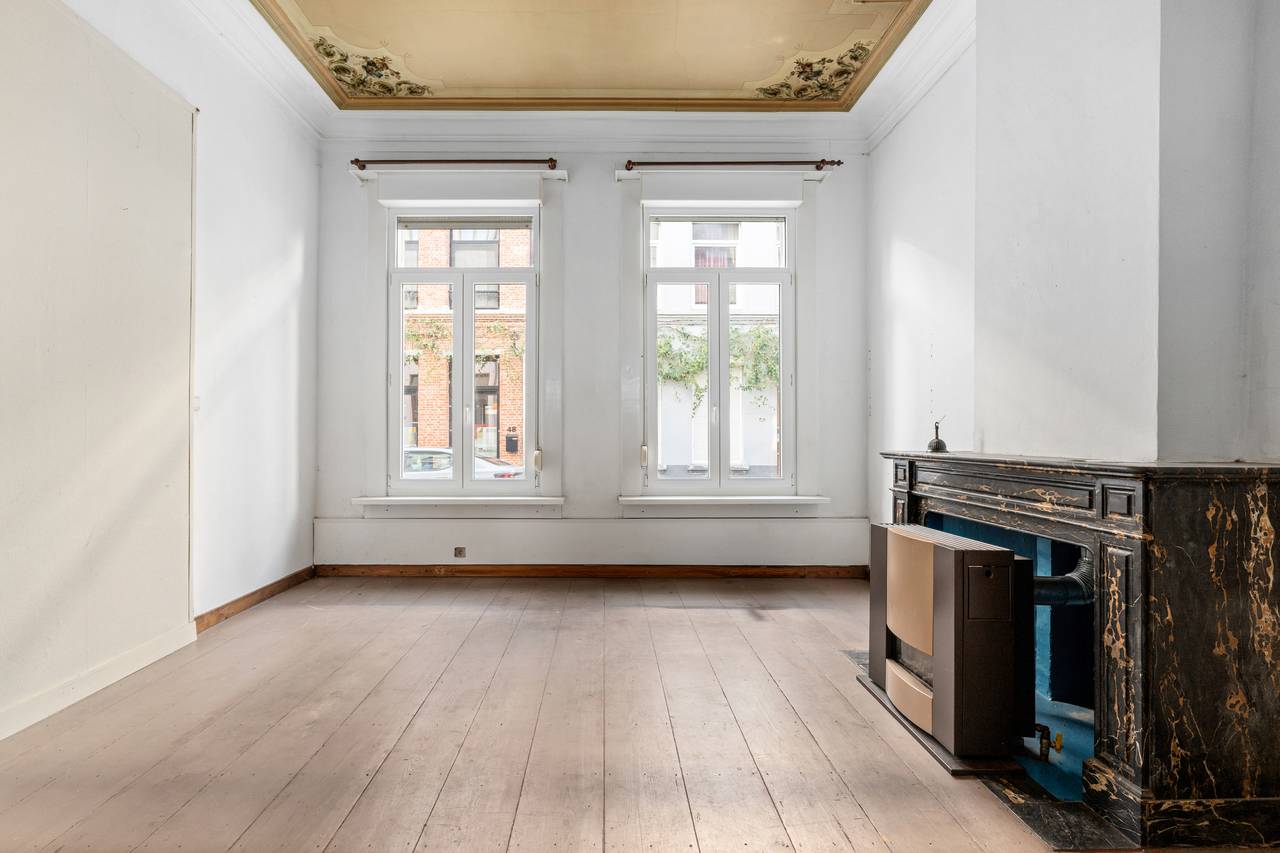
Commercieel te koop in Antwerpen met 6 slaapkamers
6 slaapk. · 253m² · €469.000
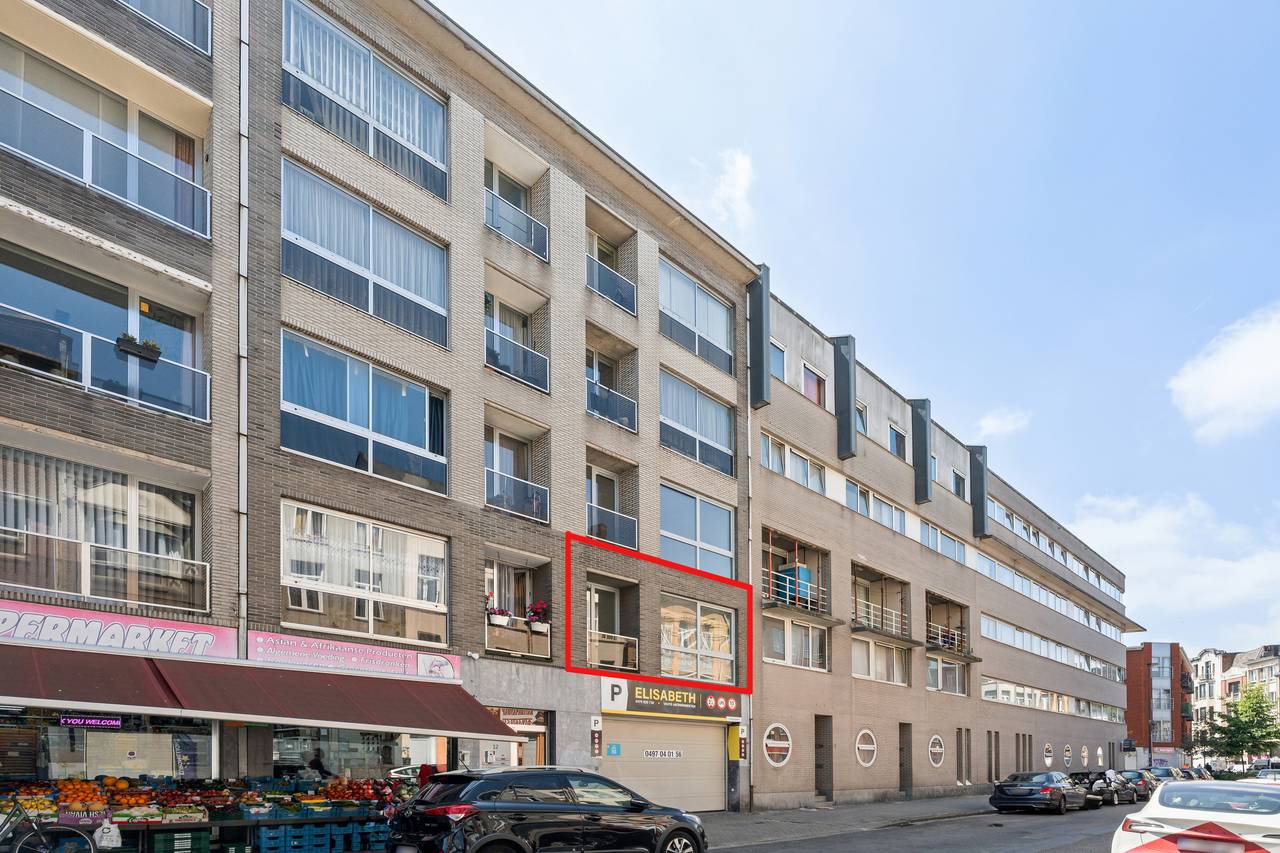
Appartement te koop in Antwerpen met 1 slaapkamer
1 slaapk. · 61m² · €199.000
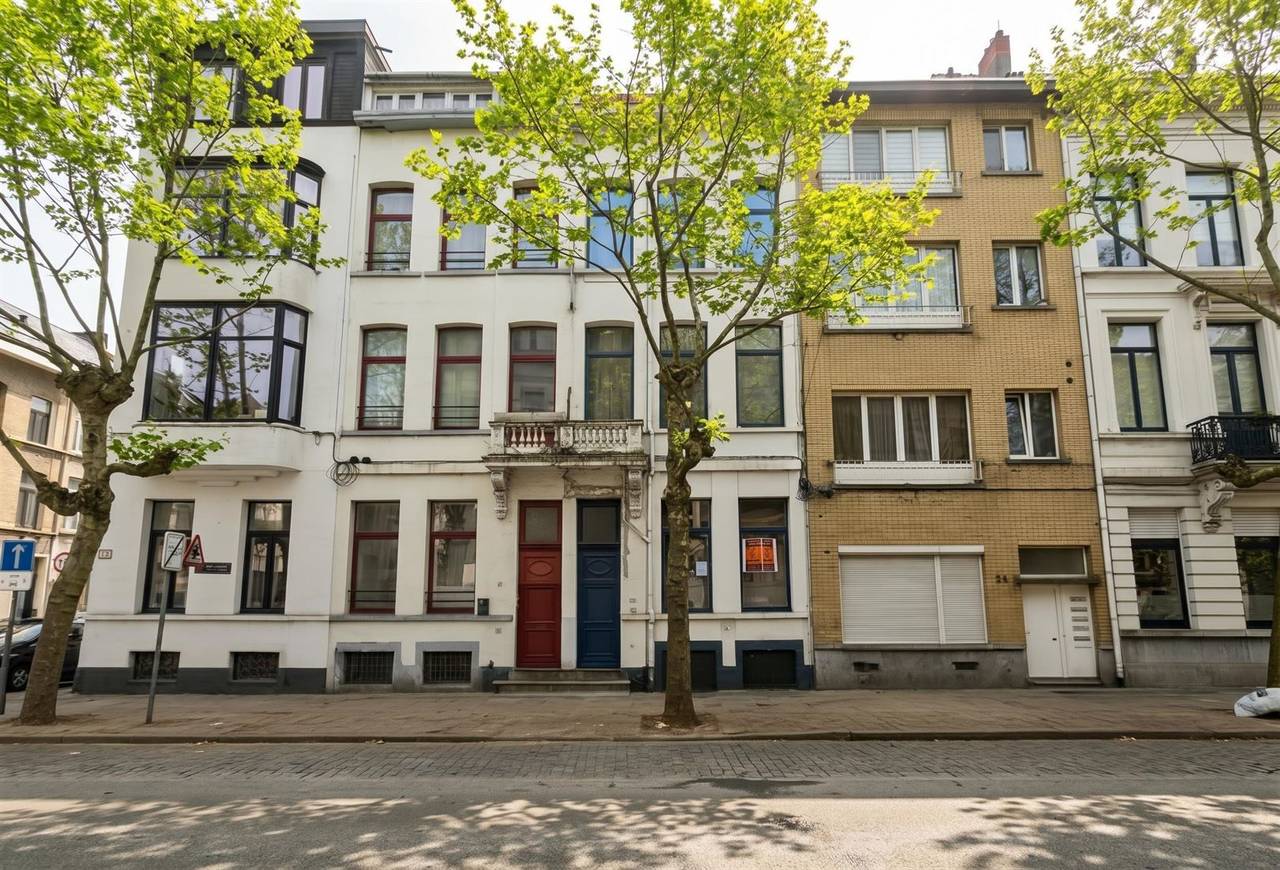
Appartement te koop in Antwerpen met 2 slaapkamers
2 slaapk. · 100m² · €269.000
Gepubliceerd op 25/8/2026